How to Buy Kids School Uniforms in the UK: 2026 Guide
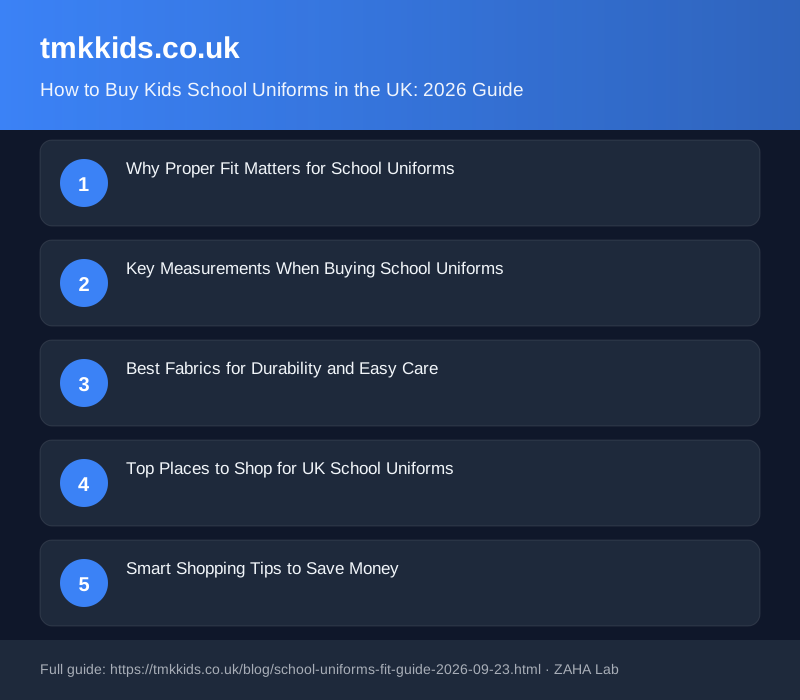
Getting a perfect school uniform fit is harder than it seems—most parents buy uniforms too tight to allow for growth, forcing replacements mid-year. Here's the practical truth: buy school uniforms with room to grow (roughly 2-3cm extra length and width), choose durable fabrics that withstand weekly washing, and shop where UK brands offer good value without sacrificing quality.
Why Proper Fit Matters for School Uniforms
School uniforms aren't just about dress codes—they affect your child's comfort, confidence, and posture throughout the school day. Uniforms that are too tight restrict movement during PE, sitting in class becomes uncomfortable, and sleeves riding up create frustration. Conversely, oversized uniforms look unprofessional and can be a tripping hazard, particularly for younger children on stairs and playgrounds.
The biggest mistake parents make is buying "room to grow" by jumping two sizes up. Your child should be able to move freely, with about a hand's width of fabric at the shoulders and enough leg room in trousers. Remember: kids grow about 4-6cm per year on average, so aim for uniforms that fit well now with modest growth allowance rather than oversized hand-me-downs.
Key Measurements When Buying School Uniforms
Before you shop, take accurate measurements at home. Use a soft measuring tape and have your child stand straight:
- Chest: Measure around the fullest part of the chest, keeping the tape loose
- Waist: Measure around the natural waistline, where the trousers will sit
- Inside leg: Measure from the inner thigh down to the ankle bone—this is crucial for trousers length
- Sleeve length: Measure from the shoulder seam to the wrist bone
- Shirt length: Measure from the shoulder down to mid-knee to ensure it stays tucked
Most UK school uniform retailers provide detailed size charts. Cross-reference your measurements with two brands before ordering—sizing can vary significantly between manufacturers. Always check return policies; many high street shops offer free exchanges if the fit isn't right.
Best Fabrics for Durability and Easy Care
School uniforms get heavy wear: playground adventures, PE lessons, food spills, and weekly washing. The fabric you choose directly affects how long uniforms last and whether they maintain their appearance.
Polyester-cotton blends (65/35 or 50/50) are the UK standard for good reason. They're more durable than 100% cotton, resist creasing (less ironing!), and maintain shape through repeated washing. Look for blends labelled as "easy-care" or "non-iron."
Trousers: Polyviscose or polyester-based fabrics hold creases better than pure cotton and resist wear at the knees where boys particularly roughhouse. A small percentage of elastane (2-5%) adds stretch without compromising durability—kids move better, and trousers last longer without splitting at seams.
Avoid 100% cotton for everyday uniforms unless you enjoy ironing and frequent replacements. Cotton shrinks unpredictably in the UK's variable humidity, and it wears faster at stress points like pocket corners and button holes.
Top Places to Shop for UK School Uniforms
The best value-for-money options in 2026 include high street stalwarts and supermarket retailers:
Tesco F&F Clothing offers excellent budget uniforms from £2-8 per item, with decent durability for the price. Their sizing runs true, and they stock extended sizes for larger children.
Asda George provides similarly affordable options (£2-10) with slightly more style variety. Returns in-store are hassle-free, making it safe to experiment with fit.
Marks & Spencer School Uniforms cost more (£8-20 per item) but use premium fabrics and offer superior tailoring. Their "growing room guarantee" allows one free exchange if your child outgrows within six months—brilliant for younger children.
John Lewis stocks multiple brands including their own-label and branded options. Prices range £5-25, but their customer service and return policy are unbeatable—14-day returns on most items.
Amazon UK offers competitive pricing on branded school wear, including premium options like Classic Cotton School T-Shirts. Read reviews carefully, as fit feedback from other parents is invaluable for avoiding sizing surprises.
Smart Shopping Tips to Save Money
School uniforms are a significant expense, particularly with multiple children. Here's how to reduce costs without compromising quality:
Shop end-of-season sales. July and August see big discounts on summer uniforms, and January sales offer winter stock reductions. Buying slightly ahead saves 20-40% off regular prices.
Mix and match brands. Buy trousers from Tesco (excellent value, durable fabric), shirts from Asda (good variety), and jumpers from high street sales. Your child won't care if the label differs—uniform rules typically specify colour and style, not brand.
Buy basics in bulk. Plain white and navy t-shirts are universal. Purchasing 7-8 from Everyday Children's T-Shirt Multi-Pack at once means you'll always have clean spares and can rotate washing loads efficiently.
Use supermarket loyalty programs. Tesco Clubcard and Asda Rewards give points on uniform purchases, effectively giving 1-2% cashback. Over a school year, this adds up.
Don't overbuy initially. Start with 5-6 complete outfits. If your child's school allows, mix plain basics from multiple retailers. As they grow and you understand what works, you'll make better investment decisions for replacements.
Care Tips to Extend Uniform Life
Even the best uniforms wear out faster with improper care. Extend their lifespan by following these steps:
- Wash at 30-40°C on a gentle cycle to reduce shrinkage and fabric breakdown
- Sort uniforms by colour and wash whites separately to prevent greying
- Use a stain treatment before washing for food spills and grass marks
- Air-dry or tumble-dry on low heat to avoid excessive shrinkage
- Iron on medium heat or use a no-iron spray to reduce creasing and fabric stress
- Repair small tears and loose buttons immediately before they worsen
FAQ
How much growing room should I leave in school uniforms?
Leave approximately 2-3cm of extra length and width to accommodate growth. Your child should comfortably fit a finger between the uniform and their body at the waist and shoulders. For trousers, the hem should be roughly 1-2cm above the shoe, allowing room for growth without dragging.
Can I buy school uniforms online without trying them on?
Yes, but use detailed size charts and read customer reviews carefully. Many online retailers offer free returns within 14-30 days, making it low-risk. Always measure your child at home and compare measurements to size charts rather than relying on age or height labels alone.
What's the difference between own-brand and premium school uniforms?
Own-brand uniforms (Tesco, Asda) offer excellent value at budget prices with decent durability. Premium brands (M&S, John Lewis) use higher-quality fabrics and construction, lasting longer and maintaining appearance better through multiple washes. The choice depends on your budget and how quickly your child grows.
Are polyester uniforms suitable for sensitive skin?
Most children wear polyester blends without issue. If your child has sensitive skin or eczema, look for uniforms with higher cotton content (50%+ cotton) or hypoallergenic certifications. Test a small area first, and always wash new uniforms before first wear to remove manufacturing finishes.
How often should I replace school uniforms during the school year?
Most uniforms last an entire school year with proper care. However, growing children may need trouser replacements every 6-9 months. If you notice splitting seams, stretched-out elastic, or faded fabric, it's time to replace. Budget for at least one complete replacement set per child per school year.